
China’s Green Revolution

13 days across Hong Kong, Shenzhen, Guangzhou, Hangzhou, Anji and Shanghai
How is China’s green and technological transformation actually taking shape—and who is it changing life for?
This 13-day journey takes you beyond the headlines and into the cities, companies, universities and villages where that transformation is unfolding. Beginning in Hong Kong, you’ll travel through the manufacturing and technology hubs of the Greater Bay Area, continue to Hangzhou’s digital economy and Anji’s ecological villages, and finish in Shanghai, where historic neighbourhoods and global finance sit alongside new experiments in clean energy.
Along the way, you’ll meet scholars, local representatives and people working within China’s innovation ecosystem. Visits to technology companies, industrial parks and research institutions are balanced with historic districts, tea plantations, classical gardens and regional food culture. Rather than treating green development as an abstract policy debate, this trip examines it through the places where decisions become infrastructure, industries and livelihoods.
Destinations
Schedule
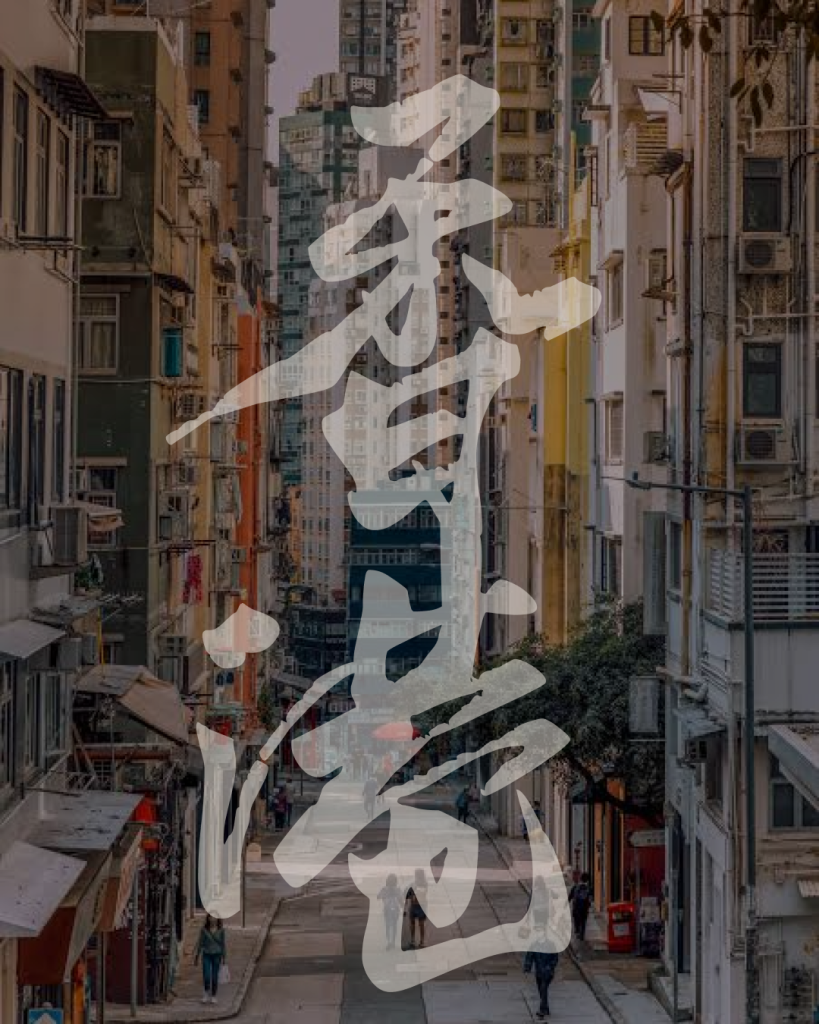
Arrive in Hong Kong and settle into the journey. Visit the University of Hong Kong for a roundtable discussion with scholars on China’s sustainable development and the application of green technologies. This opening conversation introduces the central questions of the trip and provides context for the destinations ahead.
In the evening, join the group for an orientation dinner and meet the fellow travellers with whom you’ll spend the next two weeks.
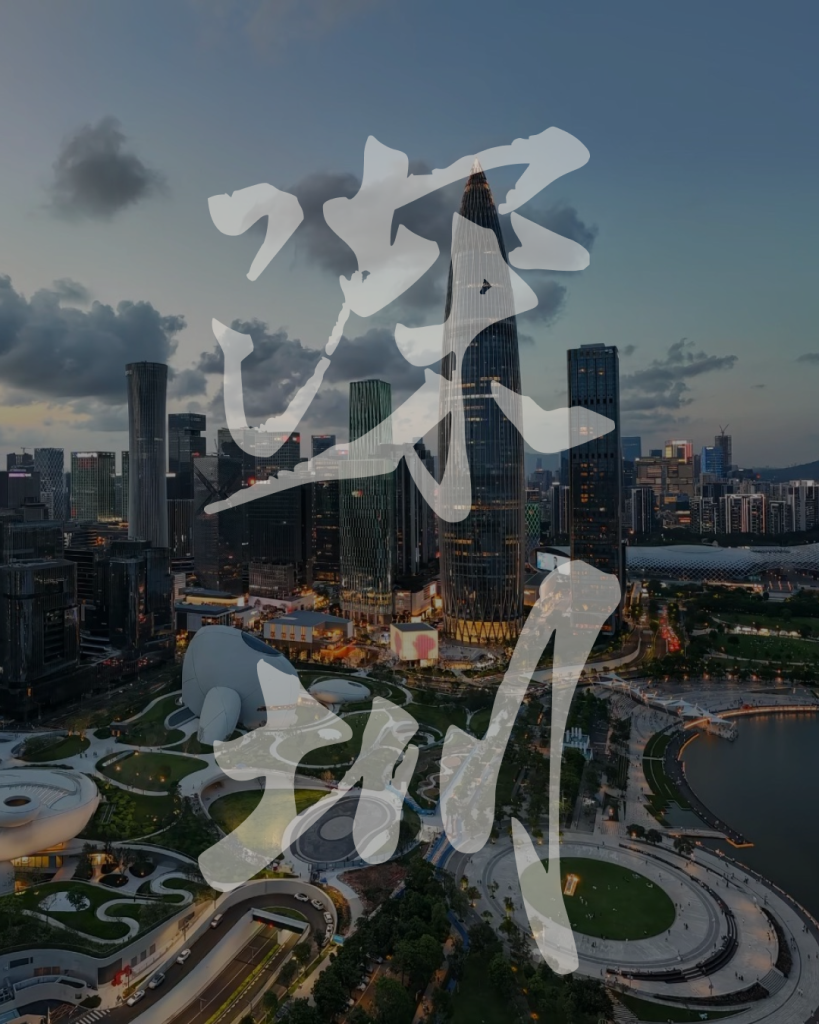
Cross the border from Hong Kong into Shenzhen and begin exploring one of China’s leading engines of technological growth.
At the Shenzhen Urban Planning Exhibition Center, examine the city’s rapid transformation and the planning decisions behind its development. Continue to Huaqiangbei Electronics Market, one of the world’s best-known electronics and digital product markets, where global supply chains become visible at street level.
Explore Shenzhen’s innovation incubators and industrial parks to better understand how startups, established companies, manufacturers and investors interact.
The day includes potential visits to leading Chinese companies such as Tencent, BYD and Ping An, offering insight into fields ranging from digital platforms and electric vehicles to finance and technology. Discussions focus on how Shenzhen’s business environment supports experimentation and how new technologies move from development into everyday use.
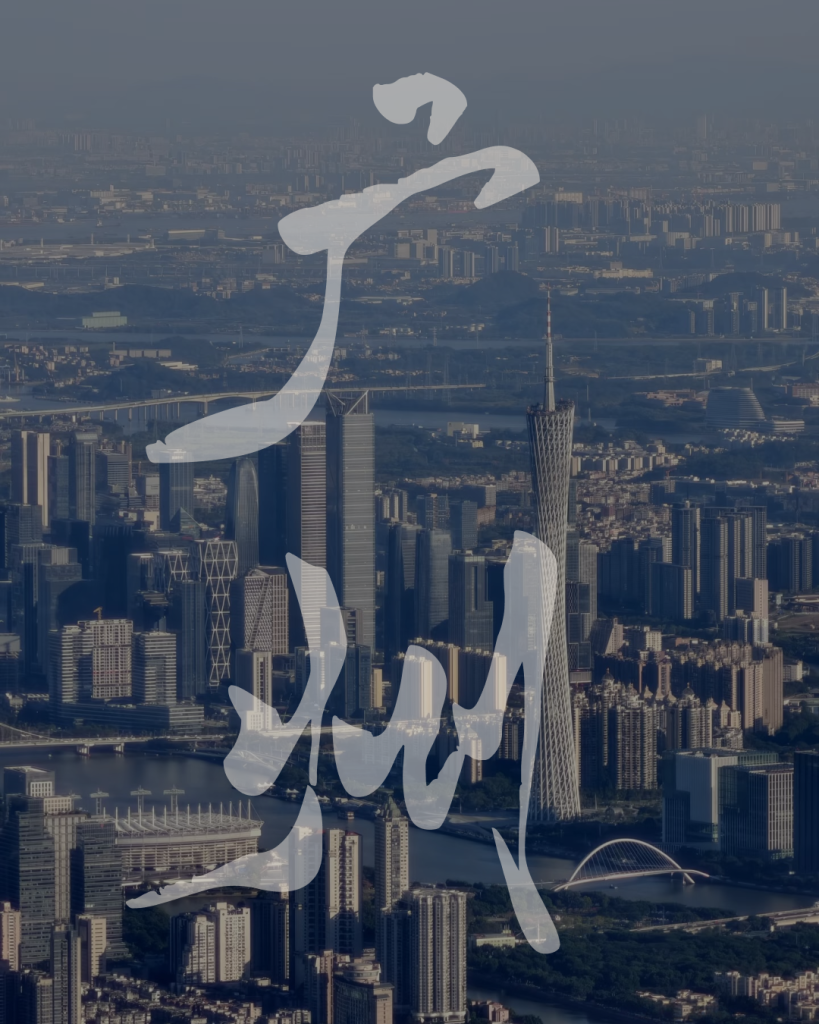
Travel from Shenzhen to Guangzhou by high-speed train and experience the transport links connecting the cities of the Greater Bay Area.
After arrival, begin discovering Guangzhou through its food culture. Local dining experiences and traditional tea culture provide an introduction to Cantonese cuisine while revealing the neighbourhood life behind one of China’s major commercial centres.
Visit Yongqing Fang, a revitalised historic district where traditional architecture, local crafts and Cantonese intangible cultural heritage sit alongside contemporary cultural spaces. The district offers a chance to consider how Chinese cities are approaching preservation and renewal.
Continue to the Guangdong Museum to explore the region’s history, culture and connections with the wider world. The visit adds historical depth to Guangzhou’s contemporary role as a centre of trade and international exchange.
Visit the Guangdong Science Center to explore the region’s technological development and approach to public science education. The exhibits provide another perspective on the relationship between research, industry and everyday life.
The remainder of the day is devoted to city sightseeing and discovering Guangzhou’s local lifestyle, with time to experience the city beyond its institutions and commercial districts.
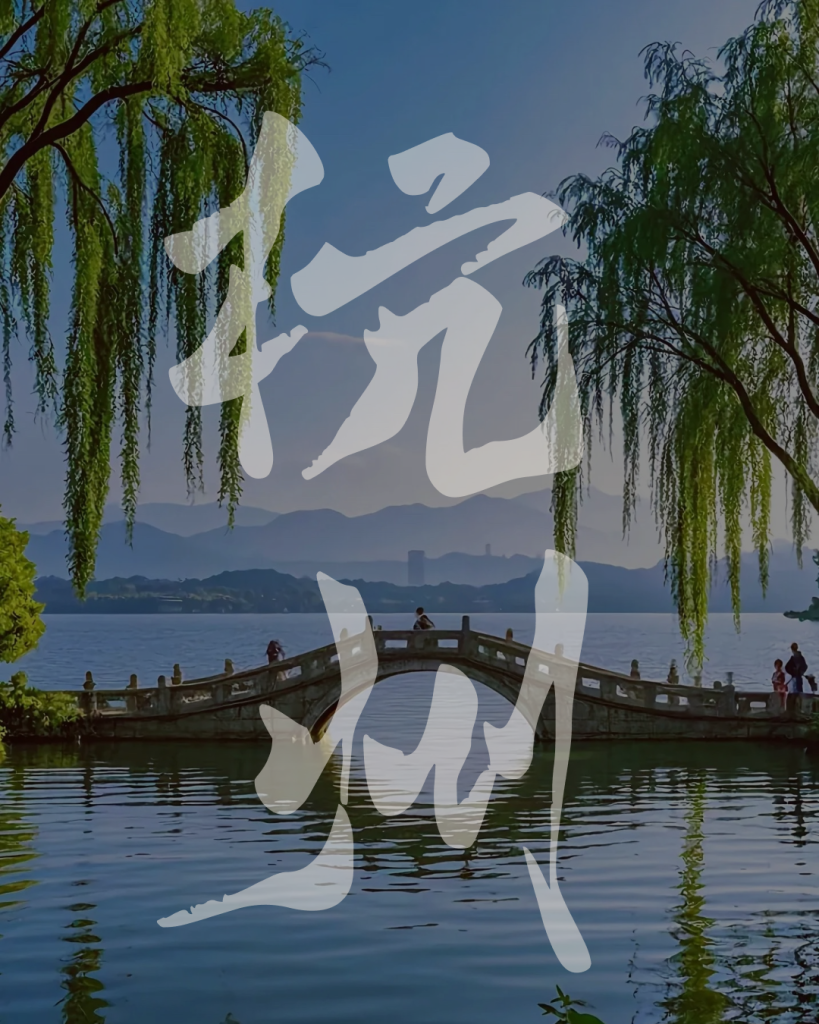
Fly from southern China to Hangzhou and begin exploring the eastern coast from the home of China’s new digital economy.
Start with the landscapes that have shaped Hangzhou’s identity for centuries. Visits include West Lake, Lingyin Temple and Feilai Peak, followed by the Longjing tea plantations, where you’ll encounter the agricultural and cultural traditions behind one of China’s best-known teas.
Explore Hangzhou’s contemporary technology sector through visits to leading companies, including Unitree Robotics. Gain insight into the development of robotics and the wider innovation ecosystem emerging around China’s digital economy.
Then explore the Beijing–Hangzhou Grand Canal, a UNESCO World Heritage Site with a history spanning more than 2,500 years. The canal offers a striking reminder that large-scale infrastructure and regional integration have long shaped China’s economic development.
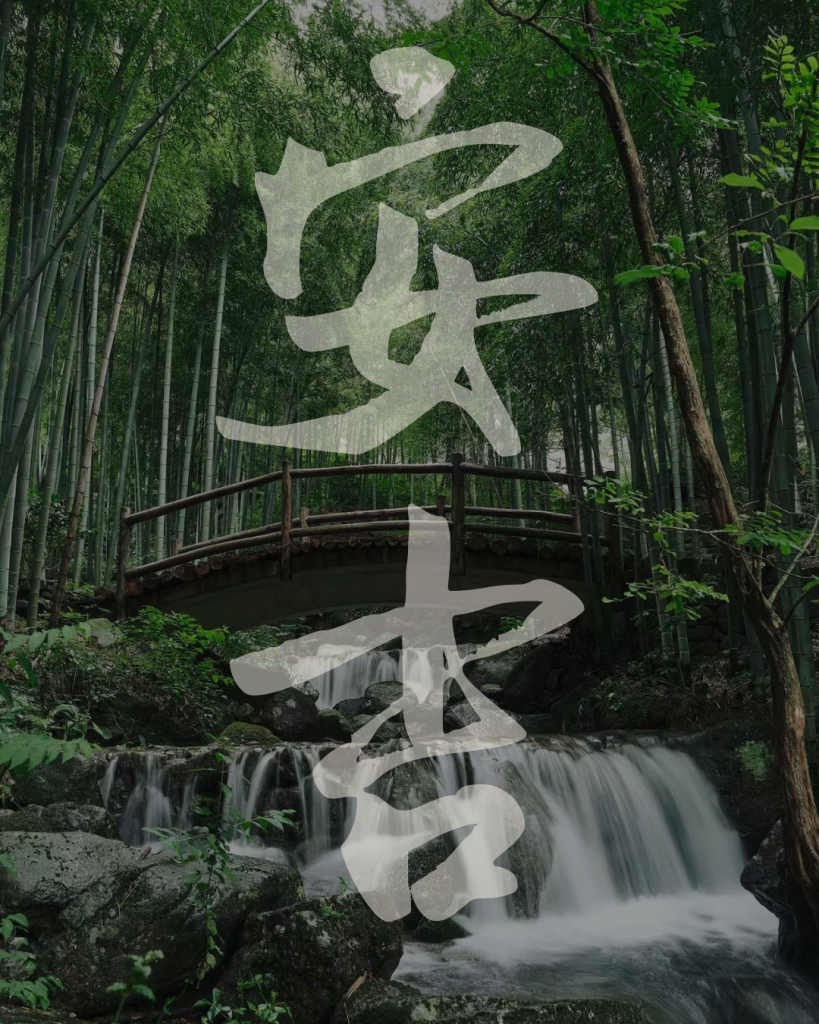
Travel to Anji to examine rural revitalisation and sustainable development in practice. Meet local representatives and learn about Yucun’s pioneering approach to ecological transformation.
During a walking tour, visit Two Mountains Park, the former mining site, the Cultural Hall, Lotus Pond, Rainbow Walkway and Zero-Carbon Library. Together, these stops trace Yucun’s transition from a village dependent on mining and cement production to a destination centred on eco-tourism, sustainable homestays and the bamboo industry.
Return to Hangzhou for a visit to Alibaba, one of China’s leading internet technology companies. Through platforms including Taobao, Ele.me, Fliggy and DingTalk, Alibaba has influenced how people shop, eat, travel and work.
Explore how cross-border e-commerce, cloud computing and artificial intelligence are transforming global trade, and consider what the growth of these platforms means for businesses and consumers both inside and outside China.
Travel from Hangzhou to Shanghai, the final destination of the journey.
Visit Xintiandi, a redeveloped historic district located next to the Site of the First National Congress of the Communist Party of China. The juxtaposition of contemporary commercial life and revolutionary history provides an opportunity to discuss Shanghai’s political past, urban redevelopment and changing public spaces.
Visit a rural solar photovoltaic demonstration project to see how clean energy is being integrated into agricultural production around Shanghai. The visit connects the journey’s focus on green technology with questions of land use, farming and rural livelihoods.
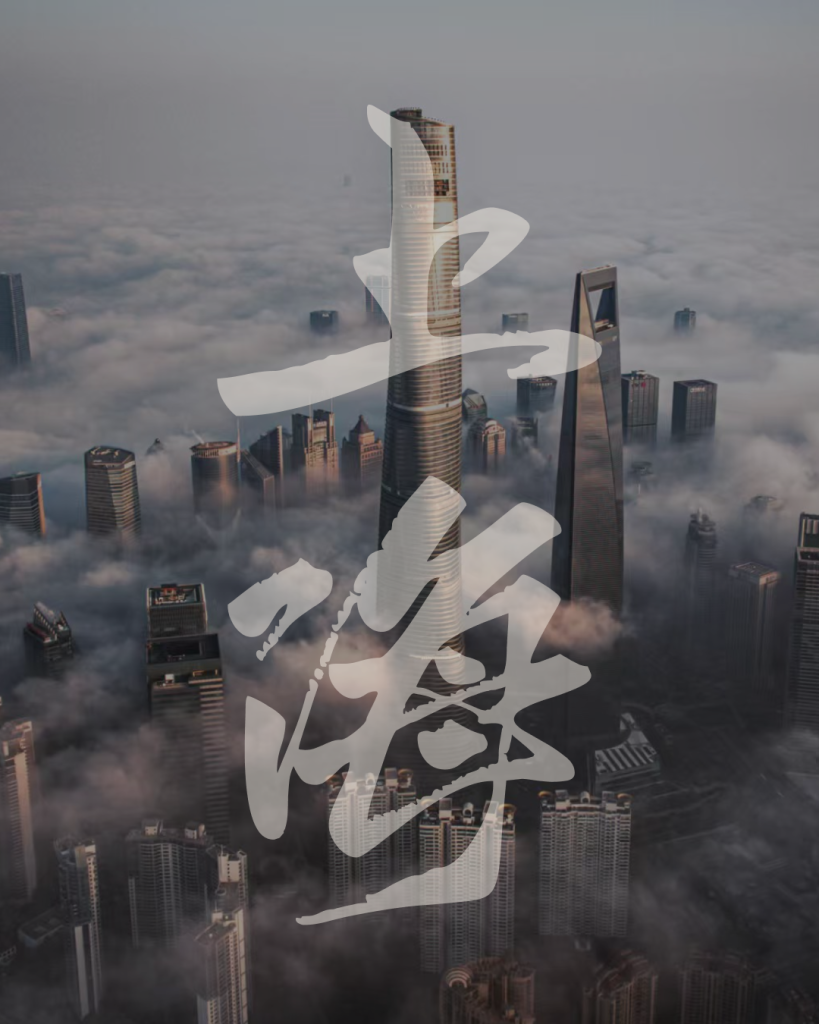
Back in the city, explore Yu Garden and experience traditional Jiangnan culture and the aesthetics of classical Chinese garden design. In the evening, take a cruise along the Huangpu River and see Shanghai’s historic waterfront and modern skyline illuminated after dark.
Bring the journey together with a farewell dinner and group sharing session. Reflect on the key themes that have emerged across the technology companies, ecological projects, historic districts and cultural sites visited during the trip.
After the program concludes, an airport transfer is provided for departure.
Company, university and institutional visits are subject to final confirmation and may be adjusted while preserving the overall focus of the program.